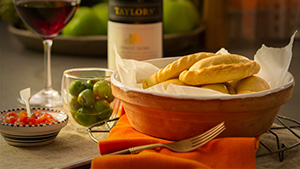
These beef green olive and egg empanadas pastries are bursting with flavour and encased in a crisp pastry. Perfect for entertaining the hoards, or feeding the family any night of the week. In fact, why not make extra to freeze for later.
ALL the ingredients for this recipe are now available at your local Ritchies supermarket. Find your local VIC, NSW or QLD store.
beef green olive and egg empanadas
- 300g Ritchies Premium Beef mince
- 1 tablespoon olive oil
- 1 medium onion, finely chopped
- ½ small green capsicum, deseeded and finely chopped
- 1 teaspoon sweet paprika
- 1 teaspoon cinnamon
- ½ teaspoon chilli powder
- 1 teaspoon ground cumin
- sea salt and freshly ground black pepper
- 2 cups hot low salt beef stock
- 2 large hard boiled eggs, peeled and finely chopped
- ½ cup pitted green olives, chopped
- 3 tablespoons of sultanas, chopped
- 6 sheets (or 500g) short crust pastry
- 50g butter melted
Heat the olive oil in a frying pan, add the onion and cook on a low heat until transparent, soft and just starting to brown. Add the chopped green capsicum and minced beef and fry over a medium high heat until the meat has browned, then add the all the spices cook for 1 more minute. Pour in the stock and cook on a low heat until the stock is almost totally absorbed. Remove the pan from the heat, add the raisins, olives, and chopped eggs. Season to taste with salt and freshly ground black pepper. Allow to cool totally.
Preheat the oven to 180°C. Line a large oven tray with baking paper. Cut the pastry in circles about 12cm in diameter you should be able to cut around 18 circles. Put about 1 level tablespoon of filling onto one half of each pastry circle. Wet the edges of the pastry with a little water, fold the non-filled half of the pastry over the filled half, and crimp the edges together or seal using a fork. Repeat with the remaining pastry circles. Place on the lined baking tray, brush each one with melted butter. Bake for about 20-25 minutes until golden brown. Makes about 18.

Did you know…
Empanadas trace back their origins to Portugal, and the northwest region of Spain, called Galicia, (Spain). They first appeared in Portugal around the time of the establishment of trade routes to India and the establishment of a Portuguese Colony at Goa, and believed to have been derived or influenced by the Indian Gujia or Samosa, known in Lisbon as the Chamuça da Goa. They first appeared in medieval Iberia during the time of the Moorish invasions. Source: wiki